U bekijkt momenteel de Netherlands versie van de site.
Wilt u overschakelen naar uw lokale site?
Laatste editie

Silly Linguistics Magazine Issue 74 Vorige editie

English
0 Beoordelingen   •  English   •   General Interest (Education & Literary)
Only €5,99
One litte word, a world of happiness
By Christian Vinther

“In the Scandinavian societies – and especially Denmark – there is,
however, a single, little word that serves as an explanatory model for
the Scandinavian happiness.

“Hygge”.

However, linguists point out that despite the term’s unique cultural
significance to the Danish society, the word originates from Norwegian and can be traced back to the Middle Ages. The word’s original meaning was “to think about” or “show concern,” but after 1800 it acquired its current meaning, which is used to convey a sense of security and comfort. As people were able to spend more time with their families and work less, the idea of “hygge” developed along with the welfare state and became a key term for a manner of being together.”

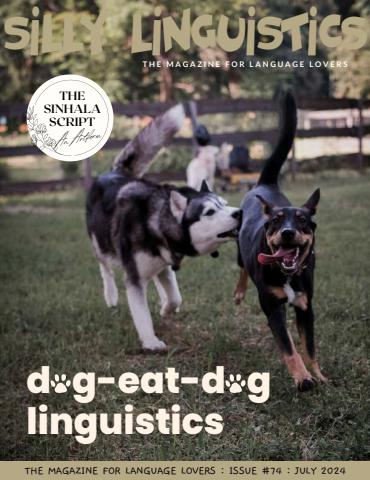
Dog-eat-dog linguistics
By Joana Atanasova

“Dogs are able to learn certain words and their meaning. Which of course doesn’t mean they can pronounce or use them, but they do recognize them and in turn react to them. That’s how they learn to do commands like “sit” or “stay”. And they manage to do it the best out of all animals in the animal kingdom, surprisingly. Why? The answer is simple yet very cute – because they evolved alongside us. Someone somewhere threw some food at the wolves around their settlement and befriended them. Since then, we domesticated them and they just went along with it, which is why they can understand conversation or command cues, as well as mastered the art of begging for food. But that doesn’t mean they want to join in on the conversation.”
read more read less
Silly Linguistics Preview Pages Silly Linguistics Preview Pages Silly Linguistics Preview Pages Silly Linguistics Preview Pages

Silly Linguistics

Issue 74 One litte word, a world of happiness By Christian Vinther “In the Scandinavian societies – and especially Denmark – there is, however, a single, little word that serves as an explanatory model for the Scandinavian happiness. “Hygge”. However, linguists point out that despite the term’s unique cultural significance to the Danish society, the word originates from Norwegian and can be traced back to the Middle Ages. The word’s original meaning was “to think about” or “show concern,” but after 1800 it acquired its current meaning, which is used to convey a sense of security and comfort. As people were able to spend more time with their families and work less, the idea of “hygge” developed along with the welfare state and became a key term for a manner of being together.” Dog-eat-dog linguistics By Joana Atanasova “Dogs are able to learn certain words and their meaning. Which of course doesn’t mean they can pronounce or use them, but they do recognize them and in turn react to them. That’s how they learn to do commands like “sit” or “stay”. And they manage to do it the best out of all animals in the animal kingdom, surprisingly. Why? The answer is simple yet very cute – because they evolved alongside us. Someone somewhere threw some food at the wolves around their settlement and befriended them. Since then, we domesticated them and they just went along with it, which is why they can understand conversation or command cues, as well as mastered the art of begging for food. But that doesn’t mean they want to join in on the conversation.”


FORMAAT SELECTEREN:
Directe toegang

Beschikbare digitale aanbiedingen:

Enkele digitale uitgave Issue 74
 
5,99 / issue
Deze editie en andere oude edities zijn niet opgenomen in een Silly Linguistics abonnement. Abonnementen omvatten de nieuwste reguliere editie en nieuwe uitgaven die tijdens uw abonnement zijn uitgebracht en beginnen vanaf slechts €3,00 per uitgave . Als je je wilt abonneren, kijk dan op onze Abonnementsopties
Besparingen zijn berekend op de vergelijkbare aankoop van losse nummers over een abonnementsperiode op jaarbasis en kunnen afwijken van geadverteerde bedragen. Berekeningen dienen alleen ter illustratie. Digitale abonnementen omvatten het laatste nummer en alle reguliere nummers die tijdens uw abonnement verschijnen, tenzij anders vermeld. De door u gekozen termijn wordt automatisch verlengd, tenzij u tot 24 uur voor het einde van het lopende abonnement opzegt in de Mijn Account-zone.

Silly Linguistics issue Issue 74

Silly Linguistics  |  Issue 74  


One litte word, a world of happiness
By Christian Vinther

“In the Scandinavian societies – and especially Denmark – there is,
however, a single, little word that serves as an explanatory model for
the Scandinavian happiness.

“Hygge”.

However, linguists point out that despite the term’s unique cultural
significance to the Danish society, the word originates from Norwegian and can be traced back to the Middle Ages. The word’s original meaning was “to think about” or “show concern,” but after 1800 it acquired its current meaning, which is used to convey a sense of security and comfort. As people were able to spend more time with their families and work less, the idea of “hygge” developed along with the welfare state and became a key term for a manner of being together.”

Dog-eat-dog linguistics
By Joana Atanasova

“Dogs are able to learn certain words and their meaning. Which of course doesn’t mean they can pronounce or use them, but they do recognize them and in turn react to them. That’s how they learn to do commands like “sit” or “stay”. And they manage to do it the best out of all animals in the animal kingdom, surprisingly. Why? The answer is simple yet very cute – because they evolved alongside us. Someone somewhere threw some food at the wolves around their settlement and befriended them. Since then, we domesticated them and they just went along with it, which is why they can understand conversation or command cues, as well as mastered the art of begging for food. But that doesn’t mean they want to join in on the conversation.”
meer lezen minder lezen
We here at Silly Linguistics love language and linguistics and want to share it with the world. Have you ever wondered why English spelling was so weird? Have you ever wondered where words come from? Well, in this magazine we cover all this and more. We talk to linguists and ask them all sorts of interesting questions about language. We talk to language lovers and talk to them about their highs and lows of language learning.

We discuss etymology and where words come from. We look at the social impact of words and how words shape the world around us. Languages are fundamentally human and they touch all parts of our lives. We seek to explore how language shapes our lives and the world around us. How do different groups use language and what can that teach us about being human. Discover all this and more in our magazine Silly Linguistics

Als abonnee ontvang je de volgende voordelen:


•  Een korting op de verkoopprijs van je tijdschrift
•  Je tijdschrift elke maand op je apparaat
•  Je zult nooit een editie missen
•  Je bent beschermd tegen prijsstijgingen die later in het jaar kunnen plaatsvinden

Je ontvangt 12 edities gedurende een periode van 1 jaar Silly Linguistics abonnement op een tijdschrift.

Opmerking: Digitale edities bevatten niet de omslagitems of supplementen die je zou vinden bij gedrukte exemplaren.

Uw aankoop hier op Pocketmags.com kan op elk van de volgende platforms worden gelezen.


Je kunt hier lezen op de website of de app downloaden voor jouw platform, vergeet niet in te loggen met je Pocketmags gebruikersnaam en wachtwoord.

Apple Pocketmags Online Pocketmags Google Pocketmags
De Pocketmags-app werkt op alle iPad- en iPhone-apparaten met iOS 15.6 of hoger, Android 8.0 o hoger, en Amazon Fire-tablets vanaf 2018, hoewel eigenaren van oudere Fire-modellen de Amazon Appstore rechtstreeks op hun apparaat kunnen controleren om de compatibiliteit te bevestigen. Voor iOS-gebruikers raden we aan een apparaat te gebruiken dat de nieuwste versie van iOS kan draaien voor optimale prestaties en stabiliteit, aangezien oudere hardware met minder processorkracht en RAM-geheugen een tragere paginaweergave of incidentele stabiliteitsproblemen kan ervaren als gevolg van geheugenbeperkingen van het apparaat. Als alternatief werkt onze web-reader met elke moderne, HTML5-compatibele browser, hoewel we Chrome of Firefox aanbevelen voor de beste ervaring op pc en Mac.
N/A
Gebaseerd op 0 Beoordelingen van klanten
5
0
4
0
3
0
2
0
1
0
Bekijk beoordelingen

Artikelen in deze editie


Hieronder vindt u een selectie van artikelen in Silly Linguistics Issue 74.

Issue 96 issue Issue 96 Issue 96 Kopen voor €5,99 Bekijk | In winkelwagen
Issue 95 issue Issue 95 Issue 95 Kopen voor €5,99 Bekijk | In winkelwagen
Issue 94 issue Issue 94 Issue 94 Kopen voor €5,99 Bekijk | In winkelwagen
Issue 93 issue Issue 93 Issue 93 Kopen voor €5,99 Bekijk | In winkelwagen
Issue 92 issue Issue 92 Issue 92 Kopen voor €5,99 Bekijk | In winkelwagen
Issue 91 issue Issue 91 Issue 91 Kopen voor €5,99 Bekijk | In winkelwagen
Issue 90 issue Issue 90 Issue 90 Kopen voor €5,99 Bekijk | In winkelwagen
Issue 89 issue Issue 89 Issue 89 Kopen voor €5,99 Bekijk | In winkelwagen
Issue 88 issue Issue 88 Issue 88 Kopen voor €5,99 Bekijk | In winkelwagen
Issue 87 issue Issue 87 Issue 87 Kopen voor €5,99 Bekijk | In winkelwagen
Issue 86 issue Issue 86 Issue 86 Kopen voor €5,99 Bekijk | In winkelwagen
Issue 85 issue Issue 85 Issue 85 Kopen voor €5,99 Bekijk | In winkelwagen
Issue 84 issue Issue 84 Issue 84 Kopen voor €5,99 Bekijk | In winkelwagen
+
Alles zien
Chat
X
Pocketmags ondersteuning