Sie sehen gerade die Germany Version der Website.
Möchten Sie zu Ihrer lokalen Seite wechseln?
Neueste Ausgabe

Silly Linguistics Magazine Issue 74 Zurück Ausgabe

English
0 Bewertungen   •  English   •   General Interest (Education & Literary)
Only €5,99
One litte word, a world of happiness
By Christian Vinther

“In the Scandinavian societies – and especially Denmark – there is,
however, a single, little word that serves as an explanatory model for
the Scandinavian happiness.

“Hygge”.

However, linguists point out that despite the term’s unique cultural
significance to the Danish society, the word originates from Norwegian and can be traced back to the Middle Ages. The word’s original meaning was “to think about” or “show concern,” but after 1800 it acquired its current meaning, which is used to convey a sense of security and comfort. As people were able to spend more time with their families and work less, the idea of “hygge” developed along with the welfare state and became a key term for a manner of being together.”

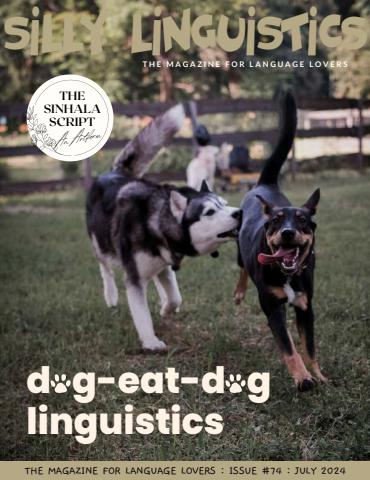
Dog-eat-dog linguistics
By Joana Atanasova

“Dogs are able to learn certain words and their meaning. Which of course doesn’t mean they can pronounce or use them, but they do recognize them and in turn react to them. That’s how they learn to do commands like “sit” or “stay”. And they manage to do it the best out of all animals in the animal kingdom, surprisingly. Why? The answer is simple yet very cute – because they evolved alongside us. Someone somewhere threw some food at the wolves around their settlement and befriended them. Since then, we domesticated them and they just went along with it, which is why they can understand conversation or command cues, as well as mastered the art of begging for food. But that doesn’t mean they want to join in on the conversation.”
read more read less
Silly Linguistics Preview Pages Silly Linguistics Preview Pages Silly Linguistics Preview Pages Silly Linguistics Preview Pages

Silly Linguistics

Issue 74 One litte word, a world of happiness By Christian Vinther “In the Scandinavian societies – and especially Denmark – there is, however, a single, little word that serves as an explanatory model for the Scandinavian happiness. “Hygge”. However, linguists point out that despite the term’s unique cultural significance to the Danish society, the word originates from Norwegian and can be traced back to the Middle Ages. The word’s original meaning was “to think about” or “show concern,” but after 1800 it acquired its current meaning, which is used to convey a sense of security and comfort. As people were able to spend more time with their families and work less, the idea of “hygge” developed along with the welfare state and became a key term for a manner of being together.” Dog-eat-dog linguistics By Joana Atanasova “Dogs are able to learn certain words and their meaning. Which of course doesn’t mean they can pronounce or use them, but they do recognize them and in turn react to them. That’s how they learn to do commands like “sit” or “stay”. And they manage to do it the best out of all animals in the animal kingdom, surprisingly. Why? The answer is simple yet very cute – because they evolved alongside us. Someone somewhere threw some food at the wolves around their settlement and befriended them. Since then, we domesticated them and they just went along with it, which is why they can understand conversation or command cues, as well as mastered the art of begging for food. But that doesn’t mean they want to join in on the conversation.”


FORMAT AUSWÄHLEN:
Sofortiger Zugang

Verfügbare digitale Angebote:

Einzelne digitale Back Issue Issue 74
 
5,99 / issue
Diese Ausgabe und andere ältere Ausgaben sind nicht in einem Silly Linguistics Abonnement. Das Abonnement enthält die letzte reguläre Ausgabe und die während des Abonnements erscheinenden neuen Ausgaben und ist bereits ab einem Betrag von €3,00 pro Ausgabe . Wenn Sie ein Abonnement abschließen möchten, sehen Sie sich bitte unsere Abonnement-Optionen
Die Ersparnisse werden auf der Grundlage eines vergleichbaren Kaufs von Einzelausgaben über einen annualisierten Abonnementzeitraum berechnet und können von den angegebenen Beträgen abweichen. Die Berechnungen dienen nur zu Illustrationszwecken. Digitale Abonnements beinhalten die letzte Ausgabe und alle regulären Ausgaben, die während Ihres Abonnements erscheinen, sofern nicht anders angegeben. Das von Ihnen gewählte Abonnement verlängert sich automatisch, wenn es nicht bis zu 24 Stunden vor Ablauf des laufenden Abonnements im Bereich Mein Konto gekündigt wird.

Silly Linguistics issue Issue 74

Silly Linguistics  |  Issue 74  


One litte word, a world of happiness
By Christian Vinther

“In the Scandinavian societies – and especially Denmark – there is,
however, a single, little word that serves as an explanatory model for
the Scandinavian happiness.

“Hygge”.

However, linguists point out that despite the term’s unique cultural
significance to the Danish society, the word originates from Norwegian and can be traced back to the Middle Ages. The word’s original meaning was “to think about” or “show concern,” but after 1800 it acquired its current meaning, which is used to convey a sense of security and comfort. As people were able to spend more time with their families and work less, the idea of “hygge” developed along with the welfare state and became a key term for a manner of being together.”

Dog-eat-dog linguistics
By Joana Atanasova

“Dogs are able to learn certain words and their meaning. Which of course doesn’t mean they can pronounce or use them, but they do recognize them and in turn react to them. That’s how they learn to do commands like “sit” or “stay”. And they manage to do it the best out of all animals in the animal kingdom, surprisingly. Why? The answer is simple yet very cute – because they evolved alongside us. Someone somewhere threw some food at the wolves around their settlement and befriended them. Since then, we domesticated them and they just went along with it, which is why they can understand conversation or command cues, as well as mastered the art of begging for food. But that doesn’t mean they want to join in on the conversation.”
mehr lesen weniger lesen
We here at Silly Linguistics love language and linguistics and want to share it with the world. Have you ever wondered why English spelling was so weird? Have you ever wondered where words come from? Well, in this magazine we cover all this and more. We talk to linguists and ask them all sorts of interesting questions about language. We talk to language lovers and talk to them about their highs and lows of language learning.

We discuss etymology and where words come from. We look at the social impact of words and how words shape the world around us. Languages are fundamentally human and they touch all parts of our lives. We seek to explore how language shapes our lives and the world around us. How do different groups use language and what can that teach us about being human. Discover all this and more in our magazine Silly Linguistics

Als Abonnent erhalten Sie die folgenden Vorteile:


•  Ein Rabatt auf den UVP Ihrer Zeitschrift
•  Neue Ausgaben werden am Erscheinungstag auf Ihr Gerät geliefert
•  Sie werden keine Ausgabe verpassen
•  Sie sind vor Preiserhöhungen geschützt, die später im Jahr eintreten können

Sie erhalten 12 Ausgaben während eines 1-Jahres Silly Linguistics Zeitschriftenabonnement.

Hinweis: Die digitalen Ausgaben enthalten nicht die in den gedruckten Exemplaren enthaltenen Umschlagseiten oder Beilagen.

Ihr Kauf hier bei Pocketmags.com kann auf jeder der folgenden Plattformen gelesen werden.


Sie können hier auf der Website lesen oder die App für Ihre Plattform herunterladen. Vergessen Sie nicht, sich mit Ihrem Pocketmags-Benutzernamen und Passwort anzumelden.

Apple Pocketmags Online Pocketmags Google Pocketmags
Die Pocketmags-App läuft auf allen iPad- und iPhone-Geräten mit iOS 15.6 oder höher, Android 8.0 oder höher sowie Amazon Fire-Tablets ab dem Jahr 2018. Besitzer älterer Fire-Modelle können jedoch den Amazon Appstore direkt auf ihrem Gerät aufrufen, um die Kompatibilität zu prüfen. Für iOS-Nutzer empfehlen wir die Verwendung eines Geräts, das die neueste iOS-Version ausführen kann, um eine optimale Leistung und Stabilität zu gewährleisten. Ältere Hardware mit geringerer Prozessorleistung und weniger RAM kann aufgrund von Speicherbegrenzungen des Geräts zu einer langsameren Seitenanzeige oder gelegentlichen Stabilitätsproblemen führen. Alternativ funktioniert unser Web-Reader mit jedem modernen, HTML5-kompatiblen Browser, wobei wir für die beste Nutzung auf PC und Mac Chrome oder Firefox empfehlen.
N/A
Basierend auf 0 Kundenrezensionen
5
0
4
0
3
0
2
0
1
0
Rezensionen ansehen

Artikel in dieser Ausgabe


Im Folgenden finden Sie eine Auswahl von Artikeln aus Silly Linguistics Issue 74.

Issue 96 issue Issue 96 Issue 96 Kaufen für €5,99 Siehe | In den Warenkorb
Issue 95 issue Issue 95 Issue 95 Kaufen für €5,99 Siehe | In den Warenkorb
Issue 94 issue Issue 94 Issue 94 Kaufen für €5,99 Siehe | In den Warenkorb
Issue 93 issue Issue 93 Issue 93 Kaufen für €5,99 Siehe | In den Warenkorb
Issue 92 issue Issue 92 Issue 92 Kaufen für €5,99 Siehe | In den Warenkorb
Issue 91 issue Issue 91 Issue 91 Kaufen für €5,99 Siehe | In den Warenkorb
Issue 90 issue Issue 90 Issue 90 Kaufen für €5,99 Siehe | In den Warenkorb
Issue 89 issue Issue 89 Issue 89 Kaufen für €5,99 Siehe | In den Warenkorb
Issue 88 issue Issue 88 Issue 88 Kaufen für €5,99 Siehe | In den Warenkorb
Issue 87 issue Issue 87 Issue 87 Kaufen für €5,99 Siehe | In den Warenkorb
Issue 86 issue Issue 86 Issue 86 Kaufen für €5,99 Siehe | In den Warenkorb
Issue 85 issue Issue 85 Issue 85 Kaufen für €5,99 Siehe | In den Warenkorb
Issue 84 issue Issue 84 Issue 84 Kaufen für €5,99 Siehe | In den Warenkorb
+
Alle sehen
Chat
X
Pocketmags Unterstützung