Está atualmente a visualizar o Portugal versão do sítio.
Gostaria de mudar para o seu sítio local?
<  Última edição

Well Being Journal Magazine Mar/Apr 2018 Edição anterior

English
21 Comentários   •  English   •   Health & Fitness (Medical)
Only €10,99
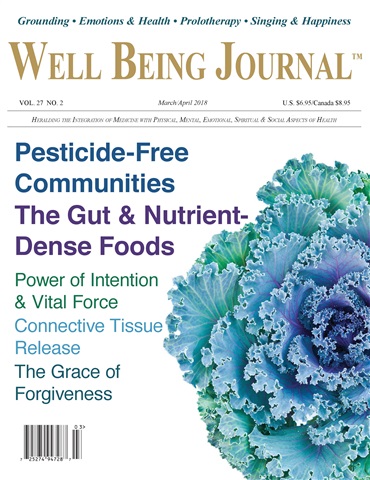
When we think of pollution, toxic chemicals introduced into the environment by human activities come to mind. Agricultural pesticides and herbicides—which, along with other industrial chemicals, permeate groundwater and are flushed into streams and rivers, impacting lakes, oceans, and their inhabitants—are a major concern. Vandana Shiva writes about solutions in her article “Creating Pesticide- and Herbicide-Free Communities.” The subject of thought pollution is also entering the collective consciousness. Thoughts can be likened to frequencies, such as those used by radio stations. These frequencies travel unseen through our environment every minute. A lower or higher radio frequency can be received by adjusting a radio’s tuner. In a similar manner, thoughts are received by the brain. Who determines the station, or frequency, we tune in to? A thought of compassion tunes us in to harmonious feelings and to everything on that “station”: love, unity, understanding, patience, strength, courage, and peace. There is much compassion in the collective thought environment after people are injured in a national or local disaster. Judgmental thoughts, such as those of bigotry, bring instead feelings of separation, irritation, and fear. They affect the frequencies of collective thought in regions subjected to intolerance, violence, crime, or war. In such areas, there can be less openness to cultural differences and to change. It’s important to remember that we have the ability to shift these frequencies. Lynne McTaggert writes of the power of eight. Her research shows that when large group meditations for peace are held, crime in the area decreases. Forgiveness can be a challenge when we are faced with politicians who seem incapable of telling the truth, corporate “leaders” who are more concerned with profit than public health, and people who objectify one another.
read more read less
Well Being Journal Preview Pages Well Being Journal Preview Pages Well Being Journal Preview Pages Well Being Journal Preview Pages Well Being Journal Preview Pages Well Being Journal Preview Pages Well Being Journal Preview Pages

Well Being Journal

Mar/Apr 2018 When we think of pollution, toxic chemicals introduced into the environment by human activities come to mind. Agricultural pesticides and herbicides—which, along with other industrial chemicals, permeate groundwater and are flushed into streams and rivers, impacting lakes, oceans, and their inhabitants—are a major concern. Vandana Shiva writes about solutions in her article “Creating Pesticide- and Herbicide-Free Communities.” The subject of thought pollution is also entering the collective consciousness. Thoughts can be likened to frequencies, such as those used by radio stations. These frequencies travel unseen through our environment every minute. A lower or higher radio frequency can be received by adjusting a radio’s tuner. In a similar manner, thoughts are received by the brain. Who determines the station, or frequency, we tune in to? A thought of compassion tunes us in to harmonious feelings and to everything on that “station”: love, unity, understanding, patience, strength, courage, and peace. There is much compassion in the collective thought environment after people are injured in a national or local disaster. Judgmental thoughts, such as those of bigotry, bring instead feelings of separation, irritation, and fear. They affect the frequencies of collective thought in regions subjected to intolerance, violence, crime, or war. In such areas, there can be less openness to cultural differences and to change. It’s important to remember that we have the ability to shift these frequencies. Lynne McTaggert writes of the power of eight. Her research shows that when large group meditations for peace are held, crime in the area decreases. Forgiveness can be a challenge when we are faced with politicians who seem incapable of telling the truth, corporate “leaders” who are more concerned with profit than public health, and people who objectify one another.


SELECCIONAR FORMATO:
Acesso imediato

Ofertas digitais disponíveis:

Edição digital única Mar/Apr 2018
 
€10,99 / issue
Esta edição e outras edições anteriores não estão incluídas numa Well Being Journal inscrição. As assinaturas incluem a edição regular mais recente e os novos números lançados durante sua assinatura e começam a partir de €6,33 por edição . Se pretende subscrever, consulte o nosso Opções de assinatura
As poupanças são calculadas com base na compra comparável de edições únicas durante um período de subscrição anual e podem variar em relação aos montantes anunciados. Os cálculos destinam-se apenas a fins ilustrativos. As assinaturas digitais incluem a última edição e todas as edições regulares lançadas durante a sua assinatura, salvo indicação em contrário. O período escolhido será renovado automaticamente, exceto se for cancelado na área A minha conta até 24 horas antes do fim da assinatura atual.

Well Being Journal issue Mar/Apr 2018

Well Being Journal  |  Mar/Apr 2018  


When we think of pollution, toxic chemicals introduced into the environment by human activities come to mind. Agricultural pesticides and herbicides—which, along with other industrial chemicals, permeate groundwater and are flushed into streams and rivers, impacting lakes, oceans, and their inhabitants—are a major concern. Vandana Shiva writes about solutions in her article “Creating Pesticide- and Herbicide-Free Communities.” The subject of thought pollution is also entering the collective consciousness. Thoughts can be likened to frequencies, such as those used by radio stations. These frequencies travel unseen through our environment every minute. A lower or higher radio frequency can be received by adjusting a radio’s tuner. In a similar manner, thoughts are received by the brain. Who determines the station, or frequency, we tune in to? A thought of compassion tunes us in to harmonious feelings and to everything on that “station”: love, unity, understanding, patience, strength, courage, and peace. There is much compassion in the collective thought environment after people are injured in a national or local disaster. Judgmental thoughts, such as those of bigotry, bring instead feelings of separation, irritation, and fear. They affect the frequencies of collective thought in regions subjected to intolerance, violence, crime, or war. In such areas, there can be less openness to cultural differences and to change. It’s important to remember that we have the ability to shift these frequencies. Lynne McTaggert writes of the power of eight. Her research shows that when large group meditations for peace are held, crime in the area decreases. Forgiveness can be a challenge when we are faced with politicians who seem incapable of telling the truth, corporate “leaders” who are more concerned with profit than public health, and people who objectify one another.
ler mais ler menos
Well Being Journal is dedicated to publishing cogent, concise, expert information about natural ways to prevent and heal illnesses and reverse aging. We herald the integration of medicine with physical, mental, emotional, spiritual and social aspects of health. We publish well substantiated feature articles and research notes covering those subjects as well as personal stories of healing—and we’ve been doing so for 20 years!
The Journal also publishes research as well as personal and clinical experiences about the nutritional and natural healing and prevention of illnesses, including arthritis, cancer, cardiovascular or heart disease, diabetes, Lyme disease, Alzheimer’s/dementia and much more. Regarded as a treasure trove by subscribers, the Journal, with 52 pages each issue, provides healthy, fascinating reading cover-to-cover.
Be forewarned! By reading the Journal you might just live with greater health and happiness. Perhaps you will enjoy giving the Journal a try. Our $1.99 app includes one complimentary issue of the Journal. It’s our truly genuine hope that you might just delightfully discover reading the Journal will help you live a healthier, happier, longer life!

Como subscritor, receberá as seguintes vantagens


•  Um desconto no PVP da sua revista
•  Novas edições entregues no seu dispositivo no dia do lançamento
•  Nunca perderá uma edição
•  Está protegido contra aumentos de preços que possam ocorrer no final do ano

Receberá 6 edições durante um ano Well Being Journal assinatura da revista.

Nota: As edições digitais não incluem os artigos de capa ou os suplementos que se encontram nos exemplares impressos.

Sua compra aqui no Pocketmags.com pode ser lida em qualquer uma das seguintes plataformas.


Pode ler aqui no sítio Web ou descarregar a aplicação para a sua plataforma, mas não se esqueça de iniciar sessão com o seu nome de utilizador e palavra-passe Pocketmags.

Apple Pocketmags Online Pocketmags Google Pocketmags
O aplicativo Pocketmags funciona em todos os dispositivos iPad e iPhone com iOS 15.6 ou superior, Android 8.0 ou superior e tablets Amazon Fire de 2018 em diante, embora os proprietários de modelos Fire anteriores possam verificar a Amazon Appstore diretamente em seus dispositivos para confirmar a compatibilidade. Para usuários de iOS, recomendamos o uso de um dispositivo capaz de executar a versão mais recente do iOS para obter melhor desempenho e estabilidade, pois hardwares mais antigos com menor capacidade de processamento e memória RAM podem apresentar renderização de páginas mais lenta ou problemas ocasionais de estabilidade devido a limitações de memória do dispositivo. Como alternativa, nosso leitor web funciona com qualquer navegador moderno compatível com HTML5, embora recomendemos o Chrome ou o Firefox para a melhor experiência no PC e Mac.
4,8
/5
Com base em 21 Comentários de clientes
5
17
4
4
3
0
2
0
1
0
Ver críticas

Always a good read

Excellent to ensure that all leaders have good well-being Revisto 19 abril 2022

Great read

Great for mindfulness and wellbeing for all members of the family of all generations Revisto 09 abril 2022

Natural Ways to Heal and Stay Healthy

Natural Ways to Heal and Stay Healthy Revisto 25 fevereiro 2021

Well Being Journal

Easy to read and informative articles. Revisto 02 maio 2020

Fabulous - very informative and interesting. It makes you think about prescribe medications and the effect on our health. Recommend to anyone. Revisto 28 junho 2012

Artigos desta edição


Segue-se uma seleção de artigos em Well Being Journal Mar/Apr 2018.

Conversa
X
Suporte Pocketmags