Está atualmente a visualizar o Portugal versão do sítio.
Gostaria de mudar para o seu sítio local?
Última edição

New Eastern Europe Magazine Jan-March Edição anterior

English
7 Comentários   •  English   •   General Interest (History & Knowledge)
Only €5,99
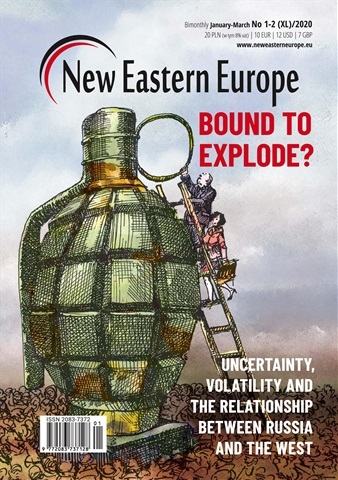
At the outbreak of 2020, tensions are on the rise – not only in our region but also in global affairs. If the final weeks of 2019 were any indicator, this decade may indeed bring a new level of instability and uncertainty towards the future. Thus, in this issue we dig deeper to explore the emerging trends in the world and try to better understand what they mean for the region on which we focus. Among the issues that we consider vital now are political polarisation, growing populism, the battle of narratives, economic shifts and the start of the next generational change.
The issue opens with an interview with American analyst Brian Whitmore, who explains these new trends in detail, looking in particular at Russia, Ukraine and the mood in Washington DC ahead of this year’s US presidential election. The provocative essay by Paweł Kowal outlines why we may be nearing the end of a second belle époque and what this means for the West. Kowal argues that the growing power of the oligarchy is becoming an underestimated trend in the West and poses a serious danger to democracy.
Another trend that we address in this issue is the growing call from some western politicians, experts and media for better relations with Russia and the Kremlin, despite no progress in the war in Ukraine (and constant attempts to undermine the western democratic process). Most vocal and prominent were Emmanuel Macron’s statements calling for a renewed strategic dialogue with Russia. Likewise, a recent issue of Foreign Affairs published Thomas Graham’s essay meant to convince US policy-makers to “let Russia be Russia” and give up on any Euro-Atlantic ambitions of the post-Soviet space. We believe that New Eastern Europe should be at the centre of this debate, which is far from over. We asked a group of experts to weigh in on this discussion – including from the United States, France, Germany, Poland and Russia.
read more read less
New Eastern Europe Preview Pages New Eastern Europe Preview Pages New Eastern Europe Preview Pages New Eastern Europe Preview Pages New Eastern Europe Preview Pages New Eastern Europe Preview Pages New Eastern Europe Preview Pages

New Eastern Europe

Jan-March At the outbreak of 2020, tensions are on the rise – not only in our region but also in global affairs. If the final weeks of 2019 were any indicator, this decade may indeed bring a new level of instability and uncertainty towards the future. Thus, in this issue we dig deeper to explore the emerging trends in the world and try to better understand what they mean for the region on which we focus. Among the issues that we consider vital now are political polarisation, growing populism, the battle of narratives, economic shifts and the start of the next generational change. The issue opens with an interview with American analyst Brian Whitmore, who explains these new trends in detail, looking in particular at Russia, Ukraine and the mood in Washington DC ahead of this year’s US presidential election. The provocative essay by Paweł Kowal outlines why we may be nearing the end of a second belle époque and what this means for the West. Kowal argues that the growing power of the oligarchy is becoming an underestimated trend in the West and poses a serious danger to democracy. Another trend that we address in this issue is the growing call from some western politicians, experts and media for better relations with Russia and the Kremlin, despite no progress in the war in Ukraine (and constant attempts to undermine the western democratic process). Most vocal and prominent were Emmanuel Macron’s statements calling for a renewed strategic dialogue with Russia. Likewise, a recent issue of Foreign Affairs published Thomas Graham’s essay meant to convince US policy-makers to “let Russia be Russia” and give up on any Euro-Atlantic ambitions of the post-Soviet space. We believe that New Eastern Europe should be at the centre of this debate, which is far from over. We asked a group of experts to weigh in on this discussion – including from the United States, France, Germany, Poland and Russia.


SELECCIONAR FORMATO:
Acesso imediato

Ofertas digitais disponíveis:

Edição digital única Jan-March
OFERTA ESPECIAL: Foi €5,99
 
1,19 / edição
Esta edição e outras edições anteriores não estão incluídas numa New Eastern Europe inscrição. As assinaturas incluem a edição regular mais recente e os novos números lançados durante sua assinatura e começam a partir de €4,00 por edição . Se pretende subscrever, consulte o nosso Opções de assinatura
As poupanças são calculadas com base na compra comparável de edições únicas durante um período de subscrição anual e podem variar em relação aos montantes anunciados. Os cálculos destinam-se apenas a fins ilustrativos. As assinaturas digitais incluem a última edição e todas as edições regulares lançadas durante a sua assinatura, salvo indicação em contrário. O período escolhido será renovado automaticamente, exceto se for cancelado na área A minha conta até 24 horas antes do fim da assinatura atual.

New Eastern Europe issue Jan-March

New Eastern Europe  |  Jan-March  


At the outbreak of 2020, tensions are on the rise – not only in our region but also in global affairs. If the final weeks of 2019 were any indicator, this decade may indeed bring a new level of instability and uncertainty towards the future. Thus, in this issue we dig deeper to explore the emerging trends in the world and try to better understand what they mean for the region on which we focus. Among the issues that we consider vital now are political polarisation, growing populism, the battle of narratives, economic shifts and the start of the next generational change.
The issue opens with an interview with American analyst Brian Whitmore, who explains these new trends in detail, looking in particular at Russia, Ukraine and the mood in Washington DC ahead of this year’s US presidential election. The provocative essay by Paweł Kowal outlines why we may be nearing the end of a second belle époque and what this means for the West. Kowal argues that the growing power of the oligarchy is becoming an underestimated trend in the West and poses a serious danger to democracy.
Another trend that we address in this issue is the growing call from some western politicians, experts and media for better relations with Russia and the Kremlin, despite no progress in the war in Ukraine (and constant attempts to undermine the western democratic process). Most vocal and prominent were Emmanuel Macron’s statements calling for a renewed strategic dialogue with Russia. Likewise, a recent issue of Foreign Affairs published Thomas Graham’s essay meant to convince US policy-makers to “let Russia be Russia” and give up on any Euro-Atlantic ambitions of the post-Soviet space. We believe that New Eastern Europe should be at the centre of this debate, which is far from over. We asked a group of experts to weigh in on this discussion – including from the United States, France, Germany, Poland and Russia.
ler mais ler menos
Trying to understand what is Vladimir Putin’s next move? Want to know more about the crisis in Ukraine? Looking for historical and cultural figures that shape Eastern Europe? Then look no further. Put New Eastern Europe on your reading list by downloading the New Eastern Europe App and gain access to the most important issues facing our region today.

New Eastern Europe is the exclusive English language bimonthly news magazine dedicated to Central and Eastern European affairs. The magazine provides readers with commentary on current events, political analysis, cultural and historical discussions as well as books and film reviews.

Como subscritor, receberá as seguintes vantagens


•  Um desconto no PVP da sua revista
•  Novas edições entregues no seu dispositivo no dia do lançamento
•  Nunca perderá uma edição
•  Está protegido contra aumentos de preços que possam ocorrer no final do ano

Receberá 5 edições durante um ano New Eastern Europe assinatura da revista.

Nota: As edições digitais não incluem os artigos de capa ou os suplementos que se encontram nos exemplares impressos.

Sua compra aqui no Pocketmags.com pode ser lida em qualquer uma das seguintes plataformas.


Pode ler aqui no sítio Web ou descarregar a aplicação para a sua plataforma, mas não se esqueça de iniciar sessão com o seu nome de utilizador e palavra-passe Pocketmags.

Apple Pocketmags Online Pocketmags Google Pocketmags
O aplicativo Pocketmags funciona em todos os dispositivos iPad e iPhone com iOS 15.6 ou superior, Android 8.0 ou superior e tablets Amazon Fire de 2018 em diante, embora os proprietários de modelos Fire anteriores possam verificar a Amazon Appstore diretamente em seus dispositivos para confirmar a compatibilidade. Para usuários de iOS, recomendamos o uso de um dispositivo capaz de executar a versão mais recente do iOS para obter melhor desempenho e estabilidade, pois hardwares mais antigos com menor capacidade de processamento e memória RAM podem apresentar renderização de páginas mais lenta ou problemas ocasionais de estabilidade devido a limitações de memória do dispositivo. Como alternativa, nosso leitor web funciona com qualquer navegador moderno compatível com HTML5, embora recomendemos o Chrome ou o Firefox para a melhor experiência no PC e Mac.
4,4
/5
Com base em 7 Comentários de clientes
5
5
4
1
3
0
2
1
1
0
Ver críticas

New Eastern Europe

As a former Foreign Affairs Officer to the Hungarian Military and someone extremely interested in events happening in Eastern Europe I love this magazine and it's associated podcast. Revisto 23 abril 2020

New Eastern Europe Looked Through Cold War Eyes

New Eastern Europe Looked Through Cold War Eyes - There is nothing new or objective in this magazine, it Russiaphobia on steroids. Rather than embrace the new opportunities for trade and culture between Eastern European nations, Russia included, it looks at how to paint everything in terms of opportunities for destabilising relations between Russia and her immediate neighbours. It's everything that is wrong with "Western" thinking at this time, which is progressively becoming more Fascist towards anything that does not conform to its "world view" and business interests. Revisto 29 outubro 2018

Artigos desta edição


Segue-se uma seleção de artigos em New Eastern Europe Jan-March.

Conversa
X
Suporte Pocketmags