IT
  
Attualmente si sta visualizzando la versione Italy del sito.
Volete passare al vostro sito locale?
Ultima edizione

New Eastern Europe Magazine Jan-March Edizione posteriore

English
7 Recensioni   •  English   •   General Interest (History & Knowledge)
Only €5,99
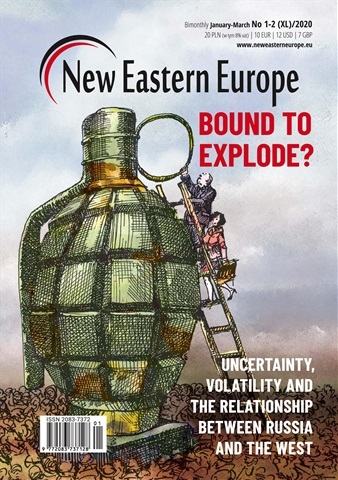
At the outbreak of 2020, tensions are on the rise – not only in our region but also in global affairs. If the final weeks of 2019 were any indicator, this decade may indeed bring a new level of instability and uncertainty towards the future. Thus, in this issue we dig deeper to explore the emerging trends in the world and try to better understand what they mean for the region on which we focus. Among the issues that we consider vital now are political polarisation, growing populism, the battle of narratives, economic shifts and the start of the next generational change.
The issue opens with an interview with American analyst Brian Whitmore, who explains these new trends in detail, looking in particular at Russia, Ukraine and the mood in Washington DC ahead of this year’s US presidential election. The provocative essay by Paweł Kowal outlines why we may be nearing the end of a second belle époque and what this means for the West. Kowal argues that the growing power of the oligarchy is becoming an underestimated trend in the West and poses a serious danger to democracy.
Another trend that we address in this issue is the growing call from some western politicians, experts and media for better relations with Russia and the Kremlin, despite no progress in the war in Ukraine (and constant attempts to undermine the western democratic process). Most vocal and prominent were Emmanuel Macron’s statements calling for a renewed strategic dialogue with Russia. Likewise, a recent issue of Foreign Affairs published Thomas Graham’s essay meant to convince US policy-makers to “let Russia be Russia” and give up on any Euro-Atlantic ambitions of the post-Soviet space. We believe that New Eastern Europe should be at the centre of this debate, which is far from over. We asked a group of experts to weigh in on this discussion – including from the United States, France, Germany, Poland and Russia.
read more read less
New Eastern Europe Preview Pages New Eastern Europe Preview Pages New Eastern Europe Preview Pages New Eastern Europe Preview Pages New Eastern Europe Preview Pages New Eastern Europe Preview Pages New Eastern Europe Preview Pages

New Eastern Europe

Jan-March At the outbreak of 2020, tensions are on the rise – not only in our region but also in global affairs. If the final weeks of 2019 were any indicator, this decade may indeed bring a new level of instability and uncertainty towards the future. Thus, in this issue we dig deeper to explore the emerging trends in the world and try to better understand what they mean for the region on which we focus. Among the issues that we consider vital now are political polarisation, growing populism, the battle of narratives, economic shifts and the start of the next generational change. The issue opens with an interview with American analyst Brian Whitmore, who explains these new trends in detail, looking in particular at Russia, Ukraine and the mood in Washington DC ahead of this year’s US presidential election. The provocative essay by Paweł Kowal outlines why we may be nearing the end of a second belle époque and what this means for the West. Kowal argues that the growing power of the oligarchy is becoming an underestimated trend in the West and poses a serious danger to democracy. Another trend that we address in this issue is the growing call from some western politicians, experts and media for better relations with Russia and the Kremlin, despite no progress in the war in Ukraine (and constant attempts to undermine the western democratic process). Most vocal and prominent were Emmanuel Macron’s statements calling for a renewed strategic dialogue with Russia. Likewise, a recent issue of Foreign Affairs published Thomas Graham’s essay meant to convince US policy-makers to “let Russia be Russia” and give up on any Euro-Atlantic ambitions of the post-Soviet space. We believe that New Eastern Europe should be at the centre of this debate, which is far from over. We asked a group of experts to weigh in on this discussion – including from the United States, France, Germany, Poland and Russia.


SELEZIONARE IL FORMATO:
Accesso immediato

Offerte digitali disponibili:

Singolo numero arretrato digitale Jan-March
 
5,99 / issue
Questo numero e gli altri numeri arretrati non sono inclusi in un New Eastern Europe abbonamento. Gli abbonamenti includono l'ultimo numero regolare e i nuovi numeri usciti durante l'abbonamento e partono da un prezzo minimo di €4,00 per numero . Se volete abbonarvi, date un'occhiata al nostro sito web Opzioni di abbonamento
I risparmi sono calcolati sull'acquisto comparabile di singoli numeri su un periodo di abbonamento annualizzato e possono variare rispetto agli importi pubblicizzati. I calcoli sono solo a scopo illustrativo. Gli abbonamenti digitali includono l'ultimo numero e tutti i numeri regolari pubblicati durante l'abbonamento, se non diversamente indicato. L'abbonamento scelto si rinnoverà automaticamente a meno che non venga annullato nell'area Il mio account fino a 24 ore prima della scadenza dell'abbonamento in corso.

New Eastern Europe issue Jan-March

New Eastern Europe  |  Jan-March  


At the outbreak of 2020, tensions are on the rise – not only in our region but also in global affairs. If the final weeks of 2019 were any indicator, this decade may indeed bring a new level of instability and uncertainty towards the future. Thus, in this issue we dig deeper to explore the emerging trends in the world and try to better understand what they mean for the region on which we focus. Among the issues that we consider vital now are political polarisation, growing populism, the battle of narratives, economic shifts and the start of the next generational change.
The issue opens with an interview with American analyst Brian Whitmore, who explains these new trends in detail, looking in particular at Russia, Ukraine and the mood in Washington DC ahead of this year’s US presidential election. The provocative essay by Paweł Kowal outlines why we may be nearing the end of a second belle époque and what this means for the West. Kowal argues that the growing power of the oligarchy is becoming an underestimated trend in the West and poses a serious danger to democracy.
Another trend that we address in this issue is the growing call from some western politicians, experts and media for better relations with Russia and the Kremlin, despite no progress in the war in Ukraine (and constant attempts to undermine the western democratic process). Most vocal and prominent were Emmanuel Macron’s statements calling for a renewed strategic dialogue with Russia. Likewise, a recent issue of Foreign Affairs published Thomas Graham’s essay meant to convince US policy-makers to “let Russia be Russia” and give up on any Euro-Atlantic ambitions of the post-Soviet space. We believe that New Eastern Europe should be at the centre of this debate, which is far from over. We asked a group of experts to weigh in on this discussion – including from the United States, France, Germany, Poland and Russia.
Per saperne di più leggere di meno
Trying to understand what is Vladimir Putin’s next move? Want to know more about the crisis in Ukraine? Looking for historical and cultural figures that shape Eastern Europe? Then look no further. Put New Eastern Europe on your reading list by downloading the New Eastern Europe App and gain access to the most important issues facing our region today.

New Eastern Europe is the exclusive English language bimonthly news magazine dedicated to Central and Eastern European affairs. The magazine provides readers with commentary on current events, political analysis, cultural and historical discussions as well as books and film reviews.

Come abbonati riceverete i seguenti vantaggi:


•  Uno sconto sul prezzo di vendita della rivista
•  Nuove edizioni consegnate sul tuo dispositivo il giorno stesso dell'uscita
•  Non perderete mai un numero
•  Siete protetti dagli aumenti di prezzo che potrebbero verificarsi nel corso dell'anno

Riceverete 5 edizioni durante un periodo di 1 anno New Eastern Europe abbonamento alla rivista.

Nota: le edizioni digitali non includono gli articoli di copertina o i supplementi che si trovano nelle copie stampate.

Il vostro acquisto su Pocketmags.com può essere letto su una delle seguenti piattaforme.


Potete leggere qui sul sito web o scaricare l'applicazione per la vostra piattaforma, ricordandovi di effettuare il login con il vostro nome utente e la vostra password Pocketmags.

Apple Pocketmags Online Pocketmags Google Pocketmags
L'app Pocketmags funziona su tutti i dispositivi iPad e iPhone con iOS 15.6 o versioni successive, Android 8.0 o versioni successive e sui tablet Amazon Fire dal 2018 in poi, anche se i possessori di modelli Fire precedenti possono controllare l'Amazon Appstore direttamente sul proprio dispositivo per confermare la compatibilità. Per gli utenti iOS, consigliamo di utilizzare un dispositivo in grado di eseguire l'ultima versione di iOS per ottenere prestazioni e stabilità ottimali, poiché l'hardware più datato con minore potenza di elaborazione e RAM potrebbe risentire di un caricamento delle pagine più lento o di occasionali problemi di stabilità dovuti ai limiti di memoria del dispositivo. In alternativa, il nostro lettore web funziona con qualsiasi browser moderno compatibile con HTML5, anche se consigliamo Chrome o Firefox per un'esperienza ottimale su PC e Mac.
4,4
/5
Basato su 7 Recensioni dei clienti
5
5
4
1
3
0
2
1
1
0
Visualizza le recensioni

New Eastern Europe

As a former Foreign Affairs Officer to the Hungarian Military and someone extremely interested in events happening in Eastern Europe I love this magazine and it's associated podcast. Recensito 23 aprile 2020

New Eastern Europe Looked Through Cold War Eyes

New Eastern Europe Looked Through Cold War Eyes - There is nothing new or objective in this magazine, it Russiaphobia on steroids. Rather than embrace the new opportunities for trade and culture between Eastern European nations, Russia included, it looks at how to paint everything in terms of opportunities for destabilising relations between Russia and her immediate neighbours. It's everything that is wrong with "Western" thinking at this time, which is progressively becoming more Fascist towards anything that does not conform to its "world view" and business interests. Recensito 29 ottobre 2018

Articoli in questo numero


Di seguito una selezione di articoli in New Eastern Europe Jan-March.

April-May 2026 issue April-May 2026 April-May 2026 Acquista per €6,99 Vista | Al carrello
Jan-March 2026 issue Jan-March 2026 Jan-March 2026 Acquista per €6,99 Vista | Al carrello
Nov-Dec 2025 issue Nov-Dec 2025 Nov-Dec 2025 Acquista per €7,99 Vista | Al carrello
Sept-Oct 2025 issue Sept-Oct 2025 Sept-Oct 2025 Acquista per €7,99 Vista | Al carrello
June-August 2025 issue June-August 2025 June-August 2025 Acquista per €7,99 Vista | Al carrello
April-May 2025 issue April-May 2025 April-May 2025 Acquista per €7,99 Vista | Al carrello
Jan-March 2025 issue Jan-March 2025 Jan-March 2025 Acquista per €7,99 Vista | Al carrello
Nov-Dec 2024 issue Nov-Dec 2024 Nov-Dec 2024 Acquista per €7,99 Vista | Al carrello
Sept-Oct 2024 issue Sept-Oct 2024 Sept-Oct 2024 Acquista per €7,99 Vista | Al carrello
June-Aug 2024 issue June-Aug 2024 June-Aug 2024 Acquista per €7,99 Vista | Al carrello
April-May 2024 issue April-May 2024 April-May 2024 Acquista per €7,99 Vista | Al carrello
Jan-March 2024 issue Jan-March 2024 Jan-March 2024 Acquista per €7,99 Vista | Al carrello
Nov-Dec 2023 issue Nov-Dec 2023 Nov-Dec 2023 Acquista per €7,99 Vista | Al carrello
+
Vedi tutti
Chat
X
Supporto Pocketmags