IT
  
Attualmente si sta visualizzando la versione Italy del sito.
Volete passare al vostro sito locale?
<  Ultima edizione

New Eastern Europe Magazine Nov-Dec 2019 Edizione posteriore

English
7 Recensioni   •  English   •   General Interest (History & Knowledge)
Only €5,99
The year 2019 has certainly been a year of change for the region of Central and Eastern Europe. The most spectacular has been the meteoric rise of Volodymyr Zelenskyy in Ukraine – who won the April presidential election with 73 per cent of the vote. His new party, named “Servant of the People” after his popular Netflix series and made up of many political novices and outsiders, won the snap parliamentary elections this past July – handing Zelenskyy an exceptional amount of power.
Beyond Ukraine, another unexpected change seen this year was the anti-oligarch coalition of pro-European reformers and the more pro-Russian socialists in Moldova, breaking the status quo in that country and bringing new hopes for progress. Another shock came in Kazakhstan when Nursultan Nazarbayev, who ruled the country for 30 years, suddenly announced his resignation. New faces also emerged with presidential elections in Slovakia, which saw pro-environmental lawyer Zuzana Čaputová win an unlikely victory, as well as in Lithuania with businessman and political newcomer Gitanas Nausėda moving into the presidential palace in Vilnius.
Of course, we still have many of the same old faces in the region as well. Most notably is Alyaksandr Lukashenka in Belarus – a man who has been in power for 25 years. Yet, his aim of stability for the country has been a delicate balancing act. While in Georgia, the society is becoming fed up with a lack of options and a stagnating socio-economic situation – as seen in the unrest that exploded in Tbilisi over the past summer. Even Vladimir Putin’s grip on power in Russia is being questioned after protesters defied authorities in Moscow.
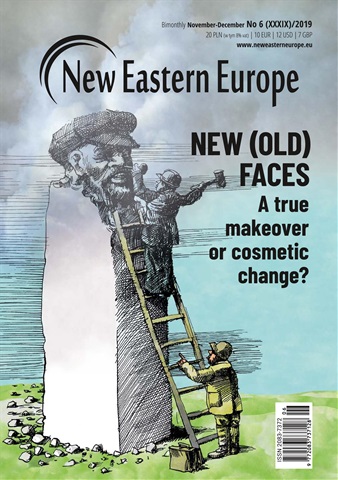
All of this has led us to ask the question as to what extent these new faces represent real change in the region? Is this part of a wider trend that indicates deeper social change or is it more of the same, with just an upgraded, modern look?
read more read less
New Eastern Europe Preview Pages New Eastern Europe Preview Pages New Eastern Europe Preview Pages New Eastern Europe Preview Pages New Eastern Europe Preview Pages New Eastern Europe Preview Pages New Eastern Europe Preview Pages

New Eastern Europe

Nov-Dec 2019 The year 2019 has certainly been a year of change for the region of Central and Eastern Europe. The most spectacular has been the meteoric rise of Volodymyr Zelenskyy in Ukraine – who won the April presidential election with 73 per cent of the vote. His new party, named “Servant of the People” after his popular Netflix series and made up of many political novices and outsiders, won the snap parliamentary elections this past July – handing Zelenskyy an exceptional amount of power. Beyond Ukraine, another unexpected change seen this year was the anti-oligarch coalition of pro-European reformers and the more pro-Russian socialists in Moldova, breaking the status quo in that country and bringing new hopes for progress. Another shock came in Kazakhstan when Nursultan Nazarbayev, who ruled the country for 30 years, suddenly announced his resignation. New faces also emerged with presidential elections in Slovakia, which saw pro-environmental lawyer Zuzana Čaputová win an unlikely victory, as well as in Lithuania with businessman and political newcomer Gitanas Nausėda moving into the presidential palace in Vilnius. Of course, we still have many of the same old faces in the region as well. Most notably is Alyaksandr Lukashenka in Belarus – a man who has been in power for 25 years. Yet, his aim of stability for the country has been a delicate balancing act. While in Georgia, the society is becoming fed up with a lack of options and a stagnating socio-economic situation – as seen in the unrest that exploded in Tbilisi over the past summer. Even Vladimir Putin’s grip on power in Russia is being questioned after protesters defied authorities in Moscow. All of this has led us to ask the question as to what extent these new faces represent real change in the region? Is this part of a wider trend that indicates deeper social change or is it more of the same, with just an upgraded, modern look?


SELEZIONARE IL FORMATO:
Accesso immediato

Offerte digitali disponibili:

Singolo numero arretrato digitale Nov-Dec 2019
 
€5,99 / issue
Questo numero e gli altri numeri arretrati non sono inclusi in un New Eastern Europe abbonamento. Gli abbonamenti includono l'ultimo numero regolare e i nuovi numeri usciti durante l'abbonamento e partono da un prezzo minimo di €4,00 per numero . Se volete abbonarvi, date un'occhiata al nostro sito web Opzioni di abbonamento
I risparmi sono calcolati sull'acquisto comparabile di singoli numeri su un periodo di abbonamento annualizzato e possono variare rispetto agli importi pubblicizzati. I calcoli sono solo a scopo illustrativo. Gli abbonamenti digitali includono l'ultimo numero e tutti i numeri regolari pubblicati durante l'abbonamento, se non diversamente indicato. L'abbonamento scelto si rinnoverà automaticamente a meno che non venga annullato nell'area Il mio account fino a 24 ore prima della scadenza dell'abbonamento in corso.

New Eastern Europe issue Nov-Dec 2019

New Eastern Europe  |  Nov-Dec 2019  


The year 2019 has certainly been a year of change for the region of Central and Eastern Europe. The most spectacular has been the meteoric rise of Volodymyr Zelenskyy in Ukraine – who won the April presidential election with 73 per cent of the vote. His new party, named “Servant of the People” after his popular Netflix series and made up of many political novices and outsiders, won the snap parliamentary elections this past July – handing Zelenskyy an exceptional amount of power.
Beyond Ukraine, another unexpected change seen this year was the anti-oligarch coalition of pro-European reformers and the more pro-Russian socialists in Moldova, breaking the status quo in that country and bringing new hopes for progress. Another shock came in Kazakhstan when Nursultan Nazarbayev, who ruled the country for 30 years, suddenly announced his resignation. New faces also emerged with presidential elections in Slovakia, which saw pro-environmental lawyer Zuzana Čaputová win an unlikely victory, as well as in Lithuania with businessman and political newcomer Gitanas Nausėda moving into the presidential palace in Vilnius.
Of course, we still have many of the same old faces in the region as well. Most notably is Alyaksandr Lukashenka in Belarus – a man who has been in power for 25 years. Yet, his aim of stability for the country has been a delicate balancing act. While in Georgia, the society is becoming fed up with a lack of options and a stagnating socio-economic situation – as seen in the unrest that exploded in Tbilisi over the past summer. Even Vladimir Putin’s grip on power in Russia is being questioned after protesters defied authorities in Moscow.
All of this has led us to ask the question as to what extent these new faces represent real change in the region? Is this part of a wider trend that indicates deeper social change or is it more of the same, with just an upgraded, modern look?
Per saperne di più leggere di meno
Trying to understand what is Vladimir Putin’s next move? Want to know more about the crisis in Ukraine? Looking for historical and cultural figures that shape Eastern Europe? Then look no further. Put New Eastern Europe on your reading list by downloading the New Eastern Europe App and gain access to the most important issues facing our region today.

New Eastern Europe is the exclusive English language bimonthly news magazine dedicated to Central and Eastern European affairs. The magazine provides readers with commentary on current events, political analysis, cultural and historical discussions as well as books and film reviews.

Come abbonati riceverete i seguenti vantaggi:


•  Uno sconto sul prezzo di vendita della rivista
•  Nuove edizioni consegnate sul tuo dispositivo il giorno stesso dell'uscita
•  Non perderete mai un numero
•  Siete protetti dagli aumenti di prezzo che potrebbero verificarsi nel corso dell'anno

Riceverete 5 edizioni durante un periodo di 1 anno New Eastern Europe abbonamento alla rivista.

Nota: le edizioni digitali non includono gli articoli di copertina o i supplementi che si trovano nelle copie stampate.

Il vostro acquisto su Pocketmags.com può essere letto su una delle seguenti piattaforme.


Potete leggere qui sul sito web o scaricare l'applicazione per la vostra piattaforma, ricordandovi di effettuare il login con il vostro nome utente e la vostra password Pocketmags.

Apple Pocketmags Online Pocketmags Google Pocketmags
L'app Pocketmags funziona su tutti i dispositivi iPad e iPhone con iOS 15.6 o versioni successive, Android 8.0 o versioni successive e sui tablet Amazon Fire dal 2018 in poi, anche se i possessori di modelli Fire precedenti possono controllare l'Amazon Appstore direttamente sul proprio dispositivo per confermare la compatibilità. Per gli utenti iOS, consigliamo di utilizzare un dispositivo in grado di eseguire l'ultima versione di iOS per ottenere prestazioni e stabilità ottimali, poiché l'hardware più datato con minore potenza di elaborazione e RAM potrebbe risentire di un caricamento delle pagine più lento o di occasionali problemi di stabilità dovuti ai limiti di memoria del dispositivo. In alternativa, il nostro lettore web funziona con qualsiasi browser moderno compatibile con HTML5, anche se consigliamo Chrome o Firefox per un'esperienza ottimale su PC e Mac.
4,4
/5
Basato su 7 Recensioni dei clienti
5
5
4
1
3
0
2
1
1
0
Visualizza le recensioni

New Eastern Europe

As a former Foreign Affairs Officer to the Hungarian Military and someone extremely interested in events happening in Eastern Europe I love this magazine and it's associated podcast. Recensito 23 aprile 2020

New Eastern Europe Looked Through Cold War Eyes

New Eastern Europe Looked Through Cold War Eyes - There is nothing new or objective in this magazine, it Russiaphobia on steroids. Rather than embrace the new opportunities for trade and culture between Eastern European nations, Russia included, it looks at how to paint everything in terms of opportunities for destabilising relations between Russia and her immediate neighbours. It's everything that is wrong with "Western" thinking at this time, which is progressively becoming more Fascist towards anything that does not conform to its "world view" and business interests. Recensito 29 ottobre 2018

Articoli in questo numero


Di seguito una selezione di articoli in New Eastern Europe Nov-Dec 2019.

June-August 2026 issue June-August 2026 June-August 2026 Acquista per €6,99 Vista | Al carrello
April-May 2026 issue April-May 2026 April-May 2026 Acquista per €6,99 Vista | Al carrello
Jan-March 2026 issue Jan-March 2026 Jan-March 2026 Acquista per €6,99 Vista | Al carrello
Nov-Dec 2025 issue Nov-Dec 2025 Nov-Dec 2025 Acquista per €7,99 Vista | Al carrello
Sept-Oct 2025 issue Sept-Oct 2025 Sept-Oct 2025 Acquista per €7,99 Vista | Al carrello
June-August 2025 issue June-August 2025 June-August 2025 Acquista per €7,99 Vista | Al carrello
April-May 2025 issue April-May 2025 April-May 2025 Acquista per €7,99 Vista | Al carrello
Jan-March 2025 issue Jan-March 2025 Jan-March 2025 Acquista per €7,99 Vista | Al carrello
Nov-Dec 2024 issue Nov-Dec 2024 Nov-Dec 2024 Acquista per €7,99 Vista | Al carrello
Sept-Oct 2024 issue Sept-Oct 2024 Sept-Oct 2024 Acquista per €7,99 Vista | Al carrello
June-Aug 2024 issue June-Aug 2024 June-Aug 2024 Acquista per €7,99 Vista | Al carrello
April-May 2024 issue April-May 2024 April-May 2024 Acquista per €7,99 Vista | Al carrello
Jan-March 2024 issue Jan-March 2024 Jan-March 2024 Acquista per €7,99 Vista | Al carrello
+
Vedi tutti
Chat
X
Supporto Pocketmags