Sie sehen gerade die Germany Version der Website.
Möchten Sie zu Ihrer lokalen Seite wechseln?
<  Neueste Ausgabe

New Eastern Europe Magazine Nov-Dec 2019 Zurück Ausgabe

English
7 Bewertungen   •  English   •   General Interest (History & Knowledge)
Only €5,99
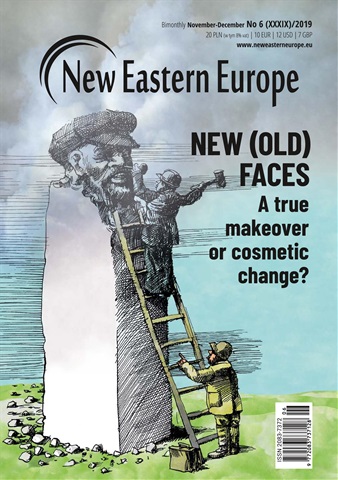
The year 2019 has certainly been a year of change for the region of Central and Eastern Europe. The most spectacular has been the meteoric rise of Volodymyr Zelenskyy in Ukraine – who won the April presidential election with 73 per cent of the vote. His new party, named “Servant of the People” after his popular Netflix series and made up of many political novices and outsiders, won the snap parliamentary elections this past July – handing Zelenskyy an exceptional amount of power.
Beyond Ukraine, another unexpected change seen this year was the anti-oligarch coalition of pro-European reformers and the more pro-Russian socialists in Moldova, breaking the status quo in that country and bringing new hopes for progress. Another shock came in Kazakhstan when Nursultan Nazarbayev, who ruled the country for 30 years, suddenly announced his resignation. New faces also emerged with presidential elections in Slovakia, which saw pro-environmental lawyer Zuzana Čaputová win an unlikely victory, as well as in Lithuania with businessman and political newcomer Gitanas Nausėda moving into the presidential palace in Vilnius.
Of course, we still have many of the same old faces in the region as well. Most notably is Alyaksandr Lukashenka in Belarus – a man who has been in power for 25 years. Yet, his aim of stability for the country has been a delicate balancing act. While in Georgia, the society is becoming fed up with a lack of options and a stagnating socio-economic situation – as seen in the unrest that exploded in Tbilisi over the past summer. Even Vladimir Putin’s grip on power in Russia is being questioned after protesters defied authorities in Moscow.
All of this has led us to ask the question as to what extent these new faces represent real change in the region? Is this part of a wider trend that indicates deeper social change or is it more of the same, with just an upgraded, modern look?
read more read less
New Eastern Europe Preview Pages New Eastern Europe Preview Pages New Eastern Europe Preview Pages New Eastern Europe Preview Pages New Eastern Europe Preview Pages New Eastern Europe Preview Pages New Eastern Europe Preview Pages

New Eastern Europe

Nov-Dec 2019 The year 2019 has certainly been a year of change for the region of Central and Eastern Europe. The most spectacular has been the meteoric rise of Volodymyr Zelenskyy in Ukraine – who won the April presidential election with 73 per cent of the vote. His new party, named “Servant of the People” after his popular Netflix series and made up of many political novices and outsiders, won the snap parliamentary elections this past July – handing Zelenskyy an exceptional amount of power. Beyond Ukraine, another unexpected change seen this year was the anti-oligarch coalition of pro-European reformers and the more pro-Russian socialists in Moldova, breaking the status quo in that country and bringing new hopes for progress. Another shock came in Kazakhstan when Nursultan Nazarbayev, who ruled the country for 30 years, suddenly announced his resignation. New faces also emerged with presidential elections in Slovakia, which saw pro-environmental lawyer Zuzana Čaputová win an unlikely victory, as well as in Lithuania with businessman and political newcomer Gitanas Nausėda moving into the presidential palace in Vilnius. Of course, we still have many of the same old faces in the region as well. Most notably is Alyaksandr Lukashenka in Belarus – a man who has been in power for 25 years. Yet, his aim of stability for the country has been a delicate balancing act. While in Georgia, the society is becoming fed up with a lack of options and a stagnating socio-economic situation – as seen in the unrest that exploded in Tbilisi over the past summer. Even Vladimir Putin’s grip on power in Russia is being questioned after protesters defied authorities in Moscow. All of this has led us to ask the question as to what extent these new faces represent real change in the region? Is this part of a wider trend that indicates deeper social change or is it more of the same, with just an upgraded, modern look?


FORMAT AUSWÄHLEN:
Sofortiger Zugang

Verfügbare digitale Angebote:

Einzelne digitale Back Issue Nov-Dec 2019
 
€5,99 / issue
Diese Ausgabe und andere ältere Ausgaben sind nicht in einem New Eastern Europe Abonnement. Das Abonnement enthält die letzte reguläre Ausgabe und die während des Abonnements erscheinenden neuen Ausgaben und ist bereits ab einem Betrag von €4,00 pro Ausgabe . Wenn Sie ein Abonnement abschließen möchten, sehen Sie sich bitte unsere Abonnement-Optionen
Die Ersparnisse werden auf der Grundlage eines vergleichbaren Kaufs von Einzelausgaben über einen annualisierten Abonnementzeitraum berechnet und können von den angegebenen Beträgen abweichen. Die Berechnungen dienen nur zu Illustrationszwecken. Digitale Abonnements beinhalten die letzte Ausgabe und alle regulären Ausgaben, die während Ihres Abonnements erscheinen, sofern nicht anders angegeben. Das von Ihnen gewählte Abonnement verlängert sich automatisch, wenn es nicht bis zu 24 Stunden vor Ablauf des laufenden Abonnements im Bereich Mein Konto gekündigt wird.

New Eastern Europe issue Nov-Dec 2019

New Eastern Europe  |  Nov-Dec 2019  


The year 2019 has certainly been a year of change for the region of Central and Eastern Europe. The most spectacular has been the meteoric rise of Volodymyr Zelenskyy in Ukraine – who won the April presidential election with 73 per cent of the vote. His new party, named “Servant of the People” after his popular Netflix series and made up of many political novices and outsiders, won the snap parliamentary elections this past July – handing Zelenskyy an exceptional amount of power.
Beyond Ukraine, another unexpected change seen this year was the anti-oligarch coalition of pro-European reformers and the more pro-Russian socialists in Moldova, breaking the status quo in that country and bringing new hopes for progress. Another shock came in Kazakhstan when Nursultan Nazarbayev, who ruled the country for 30 years, suddenly announced his resignation. New faces also emerged with presidential elections in Slovakia, which saw pro-environmental lawyer Zuzana Čaputová win an unlikely victory, as well as in Lithuania with businessman and political newcomer Gitanas Nausėda moving into the presidential palace in Vilnius.
Of course, we still have many of the same old faces in the region as well. Most notably is Alyaksandr Lukashenka in Belarus – a man who has been in power for 25 years. Yet, his aim of stability for the country has been a delicate balancing act. While in Georgia, the society is becoming fed up with a lack of options and a stagnating socio-economic situation – as seen in the unrest that exploded in Tbilisi over the past summer. Even Vladimir Putin’s grip on power in Russia is being questioned after protesters defied authorities in Moscow.
All of this has led us to ask the question as to what extent these new faces represent real change in the region? Is this part of a wider trend that indicates deeper social change or is it more of the same, with just an upgraded, modern look?
mehr lesen weniger lesen
Trying to understand what is Vladimir Putin’s next move? Want to know more about the crisis in Ukraine? Looking for historical and cultural figures that shape Eastern Europe? Then look no further. Put New Eastern Europe on your reading list by downloading the New Eastern Europe App and gain access to the most important issues facing our region today.

New Eastern Europe is the exclusive English language bimonthly news magazine dedicated to Central and Eastern European affairs. The magazine provides readers with commentary on current events, political analysis, cultural and historical discussions as well as books and film reviews.

Als Abonnent erhalten Sie die folgenden Vorteile:


•  Ein Rabatt auf den UVP Ihrer Zeitschrift
•  Neue Ausgaben werden am Erscheinungstag auf Ihr Gerät geliefert
•  Sie werden keine Ausgabe verpassen
•  Sie sind vor Preiserhöhungen geschützt, die später im Jahr eintreten können

Sie erhalten 5 Ausgaben während eines 1-Jahres New Eastern Europe Zeitschriftenabonnement.

Hinweis: Die digitalen Ausgaben enthalten nicht die in den gedruckten Exemplaren enthaltenen Umschlagseiten oder Beilagen.

Ihr Kauf hier bei Pocketmags.com kann auf jeder der folgenden Plattformen gelesen werden.


Sie können hier auf der Website lesen oder die App für Ihre Plattform herunterladen. Vergessen Sie nicht, sich mit Ihrem Pocketmags-Benutzernamen und Passwort anzumelden.

Apple Pocketmags Online Pocketmags Google Pocketmags
Die Pocketmags-App läuft auf allen iPad- und iPhone-Geräten mit iOS 15.6 oder höher, Android 8.0 oder höher sowie Amazon Fire-Tablets ab dem Jahr 2018. Besitzer älterer Fire-Modelle können jedoch den Amazon Appstore direkt auf ihrem Gerät aufrufen, um die Kompatibilität zu prüfen. Für iOS-Nutzer empfehlen wir die Verwendung eines Geräts, das die neueste iOS-Version ausführen kann, um eine optimale Leistung und Stabilität zu gewährleisten. Ältere Hardware mit geringerer Prozessorleistung und weniger RAM kann aufgrund von Speicherbegrenzungen des Geräts zu einer langsameren Seitenanzeige oder gelegentlichen Stabilitätsproblemen führen. Alternativ funktioniert unser Web-Reader mit jedem modernen, HTML5-kompatiblen Browser, wobei wir für die beste Nutzung auf PC und Mac Chrome oder Firefox empfehlen.
4,4
/5
Basierend auf 7 Kundenrezensionen
5
5
4
1
3
0
2
1
1
0
Rezensionen ansehen

New Eastern Europe

As a former Foreign Affairs Officer to the Hungarian Military and someone extremely interested in events happening in Eastern Europe I love this magazine and it's associated podcast. Überprüft 23 April 2020

New Eastern Europe Looked Through Cold War Eyes

New Eastern Europe Looked Through Cold War Eyes - There is nothing new or objective in this magazine, it Russiaphobia on steroids. Rather than embrace the new opportunities for trade and culture between Eastern European nations, Russia included, it looks at how to paint everything in terms of opportunities for destabilising relations between Russia and her immediate neighbours. It's everything that is wrong with "Western" thinking at this time, which is progressively becoming more Fascist towards anything that does not conform to its "world view" and business interests. Überprüft 29 Oktober 2018

Artikel in dieser Ausgabe


Im Folgenden finden Sie eine Auswahl von Artikeln aus New Eastern Europe Nov-Dec 2019.

Chat
X
Pocketmags Unterstützung